top of page
Bowman Electric | Logo


Yes — and more often than people expect.

Inside every light switch are small metal contacts that open and close an electrical circuit. Each time you flip the switch, those contacts move and carry electrical current. Over time, normal use can cause wear, pitting, or loosening of those internal components.

High-use switches — like those in kitchens, bathrooms, hallways, and entryways — tend to wear out faster simply because they’re used more often.


⚠️ Common Signs a Switch Is Wearing Out

A failing switch doesn’t always stop working right away. Many show subtle warning signs first, such as:

  • 💡 Lights that turn on with a delay

  • 🔁 Flickering when the switch is flipped

  • 🔥 A switch that feels warm to the touch

  • 🎛️ A “mushy,” loose, or inconsistent feel

  • 🔊 Crackling or buzzing sounds

These symptoms are often dismissed as “normal,” but they’re usually signs the switch is no longer making solid electrical contact.


🔥 Why a Worn Switch Can Become a Problem

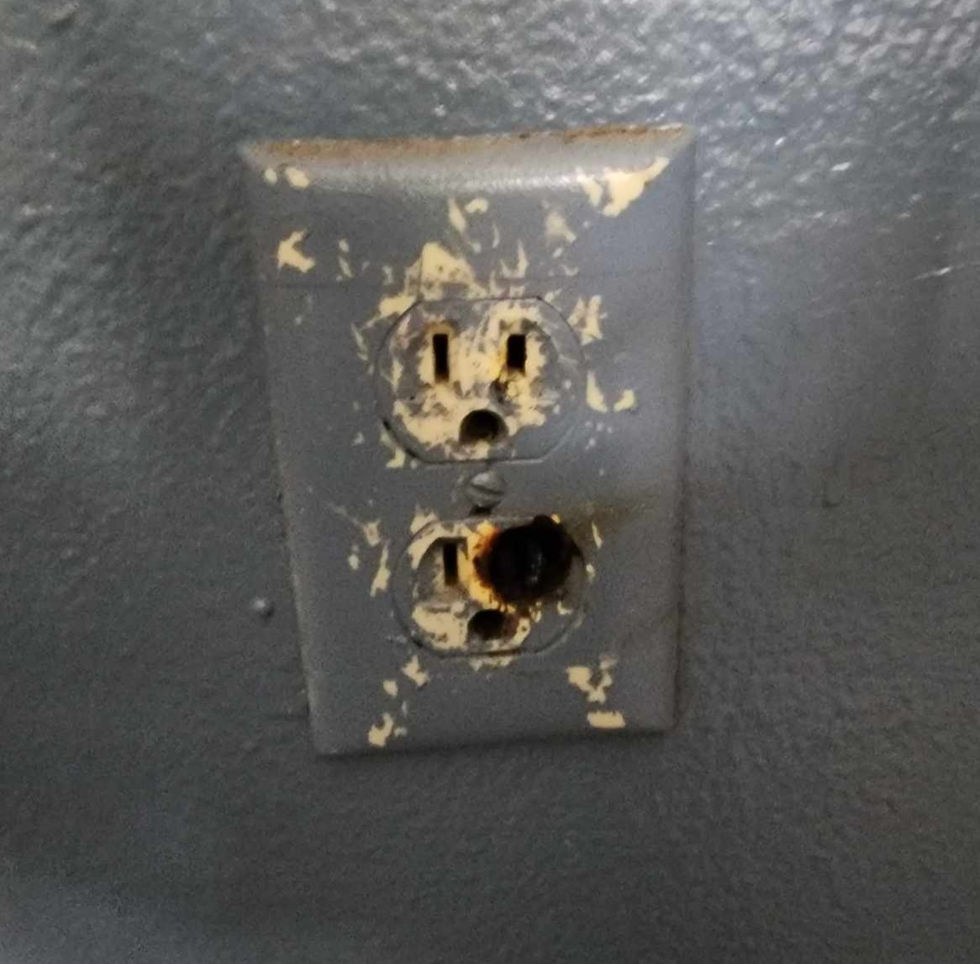
When a switch doesn’t make a clean connection, electricity can arc slightly inside the device. That arcing creates heat — and heat is one of the biggest enemies of electrical components.

Over time, this can lead to:

  • Damaged wiring at the switch

  • Melted or discolored switch components

  • Increased fire risk behind the wall

Even if the light still turns on, the switch may no longer be operating safely.


🏡 Where We See This Most Often in Homes

Worn switches are especially common in:

  • Kitchens and bathrooms

  • Hallways and stairways

  • Bedrooms with bedside switches

  • Homes with older devices or heavy daily use

Because switches are used so frequently, they’re often one of the first electrical components to show wear.


🛠️ When Should a Switch Be Replaced?

A switch should be evaluated or replaced if:

  • It feels loose, inconsistent, or delayed

  • It makes noise when used

  • It feels warm

  • The light flickers when toggled

  • It’s been in place for many years with heavy use

Replacing a worn switch is often a simple fix — but ignoring the warning signs can allow a small issue to turn into a bigger one.


A Simple Fix That Improves Safety

Light switches are small, but they play a big role in your home’s electrical safety.

If something feels off — even slightly — it’s worth having it checked. Catching worn switches early can help prevent damage, improve reliability, and keep your electrical system operating the way it should.


📞 Call Bowman Electric at 406-880-4777 We’re happy to help keep your home safe, comfortable, and working properly ⚡


When something electrical stops working, many homeowners assume the issue is limited to one room. But in reality, electrical systems are often designed so a single circuit supplies power to multiple areas of a home, not just one space.

Understanding how circuits are grouped can help explain some of the most common — and confusing — electrical issues homeowners experience.


How Electrical Circuits Are Designed

An electrical circuit is a pathway that delivers power from your electrical panel to lights, outlets, and devices throughout your home.

Rather than assigning one circuit per room, electricians often group several areas together on a single circuit. This design is intentional and helps:

  • Balance electrical loads

  • Reduce the number of circuits needed

  • Make efficient use of panel space

Because of this, outlets and lights in different rooms may be connected behind the walls — even if those rooms don’t seem related at first.


Why Electrical Issues Can Affect Multiple Rooms

When multiple areas share a circuit, electrical demand adds up faster than many homeowners expect.

This can lead to situations like:

  • 🔁 A breaker trip that shuts off power in more than one room

  • 💡 Lights dimming in one space when something turns on elsewhere

  • 🔌 Outlets losing power in unexpected combinations

The issue may not be in the room where the problem shows up — it may be happening somewhere else along the same circuit.


Common Situations Homeowners Experience

We often hear homeowners ask:

  • “Why did flipping one breaker fix multiple rooms?”

  • “Why does using an appliance in one area affect lights in another?”

  • “Why does this outlet trip something in a different space?”

In many cases, the answer comes down to how circuits are grouped throughout the home.


When Shared Circuits Become a Problem

Shared circuits are a normal part of electrical design, but they can become an issue as electrical demand increases over time.

This often happens when:

  • 🔋 New appliances or electronics are added

  • 💻 Home offices, garages, or workshops are set up

  • 🔥 Multiple high-demand devices are used at the same time

Circuits that once handled loads comfortably may start showing signs of stress.


Signs Your Circuits May Be Overloaded

Some common signs to watch for include:

  • ⚡ Frequent breaker trips

  • 💡 Lights dimming when appliances start

  • 🔌 Outlets that stop working intermittently

  • 🔥 Warm switches or outlets

These symptoms don’t always mean something is broken — but they do signal that your system may need attention.


How Circuit Mapping and Inspections Help

A professional electrical inspection can identify how circuits are grouped and whether they’re handling today’s electrical needs safely.

Circuit mapping helps:

  • Identify which rooms and devices share power

  • Spot overloaded or unbalanced circuits

  • Plan upgrades that improve safety and performance

Sometimes the solution is as simple as redistributing loads. In other cases, adding circuits or upgrading components can make a big difference.


A Smarter Way to Keep Your Home Powered Safely

Electrical systems are designed with intention — but homes evolve over time. When usage changes, the electrical layout may need to change too.

If you’re experiencing unexplained electrical issues or want a clearer understanding of how your home’s circuits are arranged, a professional evaluation can provide peace of mind.


📞 Call Bowman Electric at 406-880-4777 - We’re happy to help keep your home powered safely and efficiently


What Homeowners Need to Know

Many electrical hazards don’t start as serious problems. In fact, some of the most common issues electricians find in homes begin as temporary solutions that were never meant to last.

An extension cord added for convenience, a power strip used because there aren’t enough outlets, an outlet that works most of the time, so it gets ignored.

Life gets busy, the fix works, and suddenly “just for now” turns into months or even years.

While these setups may seem harmless, temporary electrical fixes can quietly create long-term risks inside your home.


What Counts as a “Temporary” Electrical Fix?

Temporary electrical fixes are solutions designed for short-term use, not daily operation. Some of the most common examples include:

  • Extension cords used as permanent wiring

  • Power strips handling multiple high-demand devices

  • Loose outlets that no longer grip plugs tightly

  • Cords run behind furniture, under rugs, or through doorways

  • Adapters or splitters used instead of adding outlets

These fixes are often used with good intentions — convenience, cost savings, or simply not realizing there’s a better option.


Why Temporary Fixes Can Become a Problem Over Time

Electrical components are designed with specific limits in mind. When a temporary solution stays in place long-term, it can introduce ongoing stress to your electrical system.

Here’s why that matters:

🔥 Heat Buildup

Extension cords, power strips, and worn outlets can generate heat when used continuously. Heat buildup often happens out of sight, behind furniture or walls.

🔌 Worn Connections

Plugs that sit loosely in outlets can cause arcing — tiny electrical jumps that wear down components and increase fire risk.

⚡ Overloaded Circuits

Power strips don’t create more capacity — they simply divide it. Running multiple appliances or electronics from one outlet can overload the circuit feeding it.

🧯 Hidden Fire Risk

Many electrical fires start without sparks or dramatic warning signs. A system under constant stress may fail silently until damage occurs.


Why “It Still Works” Doesn’t Always Mean It’s Safe

One of the biggest misconceptions homeowners have is that if electricity is flowing, everything must be fine.

In reality, electrical systems can continue operating even when:

  • Connections are loose

  • Wiring is overheating

  • Components are worn beyond their intended lifespan

These issues often don’t cause immediate outages — which is why they’re easy to ignore.


Where We See This Most Often in Homes

Temporary fixes that become permanent are especially common in:

  • Older homes that weren’t designed for today’s electrical demand

  • Home offices with computers, printers, and chargers

  • Garages and workshops with freezers, tools, heaters, and chargers

  • Finished basements where outlets weren’t added during remodels

In many cases, homeowners simply don’t realize their electrical setup has outgrown the home’s original design.


When Is It Time to Replace a Temporary Fix?

It’s time to consider a permanent solution if:

  • You rely on an extension cord or power strip daily

  • Plugs fall partially out of outlets

  • Breakers trip when multiple items are in use

  • You smell burning or notice warm outlets or cords

  • You’ve said “we’ll fix that eventually” more than once

Permanent solutions may include adding outlets, upgrading circuits, replacing worn devices, or improving load distribution — all safer, long-term fixes designed for daily use.


How an Electrical Inspection Helps

A professional electrical inspection can identify:

  • Overloaded circuits

  • Worn or loose outlets and switches

  • Improper long-term cord use

  • Areas where added outlets or circuits would improve safety

Many issues can be corrected before they become expensive or dangerous problems.


Turn “Temporary” Into Safe and Permanent

Temporary electrical fixes are common — and understandable. But when they stick around, they deserve a second look.

If your home relies on workarounds instead of proper electrical solutions, it may be time for an upgrade designed to keep your home safe, functional, and ready for everyday life.


📞 Call Bowman Electric at 406-880-4777 We’re happy to help turn temporary setups into safe, long-term solutions.

bottom of page